

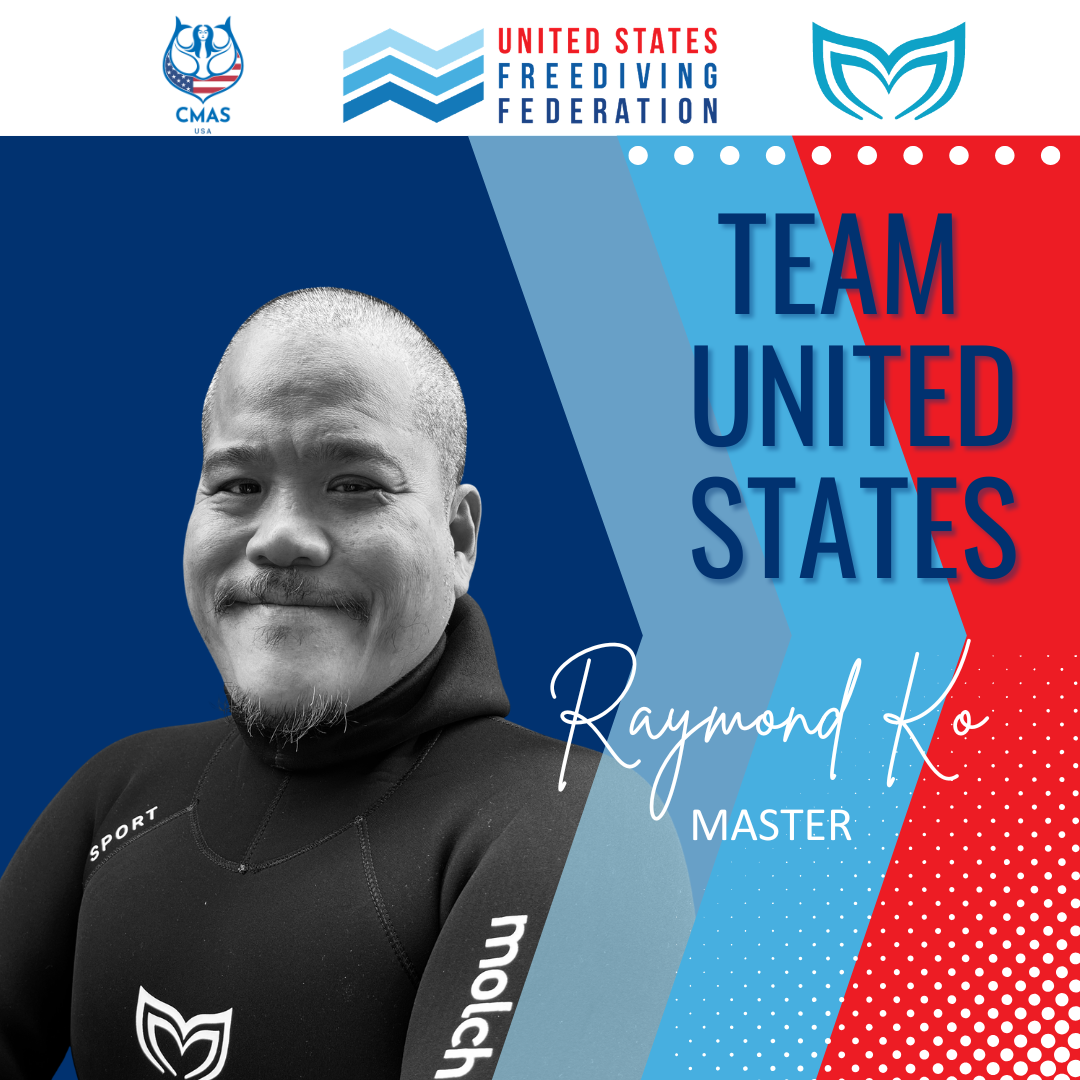
I'm in Roatan, Honduras right now, training for the CMAS Freediving World Championship. My first competition dive is in a few weeks. I'm 53.
For five years of my life, getting out of bed was the hardest thing I did all day.
I've been meaning to write this for a long time. I kept putting it off because I wanted to have the answer. Something clean and indisputable that I could hand to people. I don't have that. What I have is my story, some things I think helped, and an honest account of what I can and can't explain. I'm putting it out now because I think hope and a rough map are worth more than silence while I wait for a certainty that may never come.
If you have fibromyalgia, or you love someone who does, this is for you.
How it started
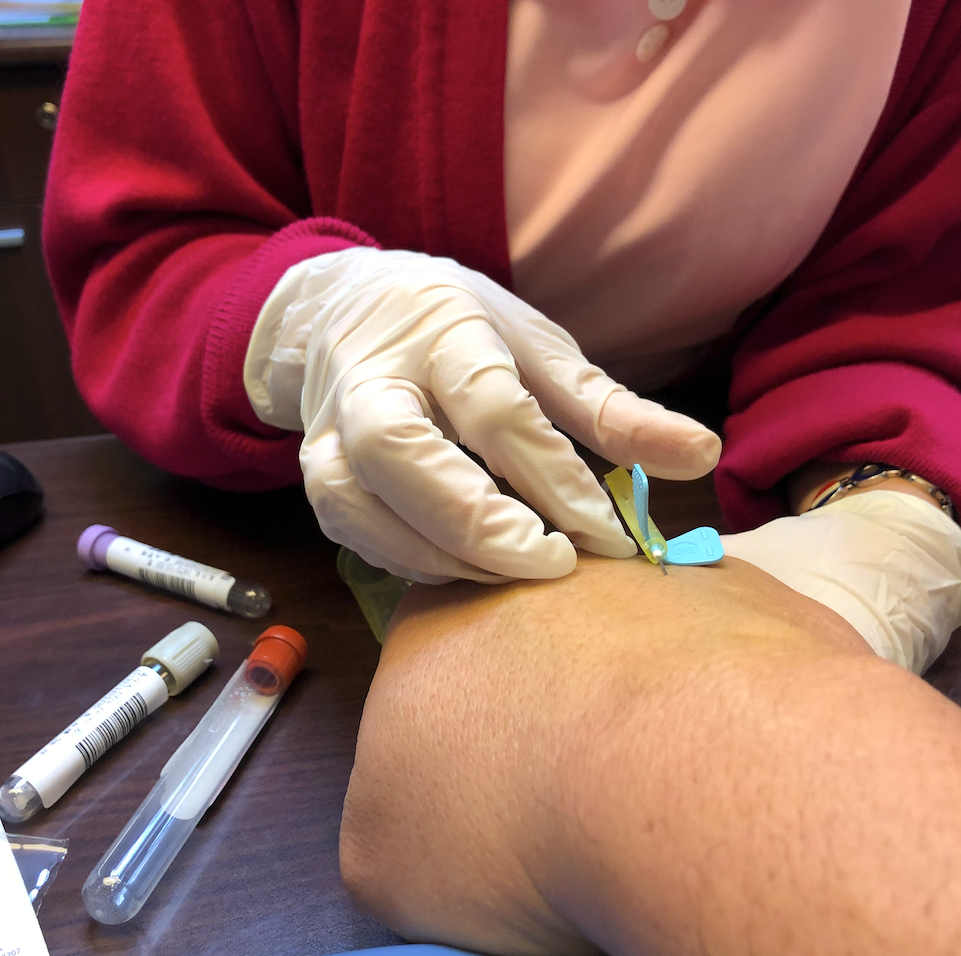
In 2014 my doctor suggested a Hepatitis B vaccine based on my lifestyle. It's a three shot course over a few months. After the second shot I told him I was feeling crummy. Tired. Achey. He suggested I stop the course and skip the third.
Shortly after, I saw a doctor in Hong Kong, where I used to live, and he diagnosed me with fibromyalgia. I had the pain. The fatigue. The tender points that hurt when pressed.
That's my timeline. I'm not making a claim about what caused it, because I don't know and neither does anyone else. What I can tell you is that I walked into 2014 as one person and came out of it as another.
The strange good news was that I had a name for it. A diagnosis is something you can start working with.
Though even then, and still today, fibromyalgia is a mysterious condition. There's no clear cause, no test that confirms it, and no treatment that reliably works. Doctors don't agree on much about it. Getting the diagnosis gave me a word, not an answer.
What it actually felt like
Hard to get out of bed. Tired and painful just to move. I learned that once I got moving it felt better. Not good. Just less bad.
Tired all the time. And if I wasn't tired yet, it was only a matter of time.
I'd get through a full day of work, come home, and lie in bed absolutely exhausted for one to two hours before I could motivate myself to make dinner or go get it.
I tried to exercise, but recovery was the problem. I used to love BJJ. One session would leave me wrecked for a week. Lifting was the same. So I gave it up and walked instead. Walking was about all my body would accept.
Sometimes I felt like an 80 year old in my forties. And that's the part that scared me most. If this is 40, what does 50 feel like? 60? 70? The math only went one direction.
It went on like that for about four years.
What I tried
Panadol and ibuprofen did nothing. Tramadol helped but I didn't like how it made me feel. When it got really bad I'd go to the ER for a shot of ketorolac, the anti inflammatory they give NFL players before a game so they can play through nagging injuries. Eventually I learned to administer it myself.
Kratom helped me the most. I kept kilos of it at home. I took it as needed, never daily, and I found a dose that took the pain down to where I could function without feeling high. For me it was closer to a strong coffee.
I want to be careful here. I'm describing what I did, not recommending it. Kratom carries a real dependency risk for a lot of people, and self administering injectable medication is not something I'd tell anyone to do. That was my judgment in my situation and I'm not going to pretend it was a clean decision.
CBD did nothing for me. THC worked when I was in the US, but I couldn't function on it, so it was for sleep only.
I tried on TRT for a few years. I tried the devices: PEMF, transcranial electrical stimulation, red light. Ice baths helped when I could get access, which wasn't often. Regular massages.
And I drank. A lot. If I didn't go straight home after work, I went somewhere to drink the pain away.
Anything to feel better. That was the whole strategy.
The part nobody could see
You couldn't tell any of this was happening to me. I got very good at hiding it. I don't know if that's toughness or just stubbornness.
I want to say something to the people reading this who have it worse. I'm in a lot of fibromyalgia groups on Facebook, and there are people in there whose lives are far harder than mine ever was. I know what my version was. I'm not claiming it was the worst version.
But I also want to say this clearly, now that I'm on the other side: it wasn't laziness. It wasn't bad sleep. It wasn't just getting older. Something was genuinely happening in my body, and unless you've lived it, it's almost impossible to explain to someone.
A Google search
In 2018 I had a verbal offer to move to Singapore to work at a bank there.
I was googling what there was to do in Singapore that didn't involve drinking. I wanted to drink less, and alcohol in Singapore is expensive enough to make that decision easier.
A freediving school came up on page one.
I had no idea you could take a certified course in freediving. That was genuinely new information to me.
I already knew I loved the ocean. I'd tried scuba, surfing, wakeboarding. All enjoyable, none of them stuck. Something about them didn't quite do it for me.
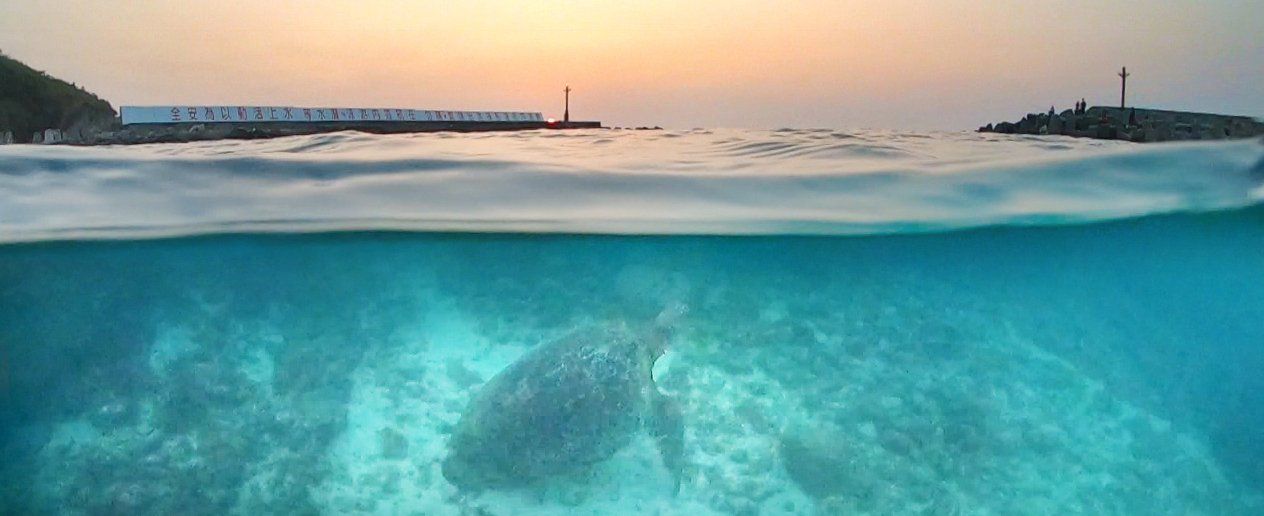
The Singapore job fell through in a hiring freeze. But the idea stuck. When I eventually took a job that brought me to Taiwan, I promised myself I'd find a course. Within three months of arriving I was in the ocean on Xiaoliuqiu, learning to freedive.
The surprise
That weekend, I didn't feel 80 years old.
No fatigue. I was tired, but it was a good tired. No body aches. My muscles were tired, but that's different, and anyone who's had fibromyalgia knows exactly how different.
I took the second level course for two reasons. One, I loved it. Two, I wanted to know if the first time was a fluke.
On that course I kept up with a classmate who was half my age and in ridiculous shape, practically a full time surfer.
That's when I decided I was going to find out how far I could take this.
It didn't go away
Here's the part that gets left out of most recovery stories.
In July 2019 I was laid off. In my line of work there isn't much hiring in the second half of the year, so I went to Gili Air in Indonesia to train, and four months later I earned my freediving instructor certification.
The fibromyalgia did not disappear during those four months. The training was intense, and even living an idyllic island life, the symptoms were still there. I toughed it out and completed the requirements. Life felt better in general, but I wasn't fixed.
Then COVID hit. My wife and I were stuck in Las Vegas visiting my parents when the world shut down. Taiwan looked like it had things under control, so we moved back. Not to look for finance work. We'd already figured out we loved small island life. Gili Air is an island of 2,000 people that you can walk around in an hour, and living there had told us exactly what we wanted.
So we moved to Xiaoliuqiu, where I'd taken my first two courses, and I started teaching freediving. It's bigger than Gili Air, about 10,000 people, but still small enough to scooter around the whole island in 20 minutes.
The beginning was tough. I was still dealing with pain and fatigue. Early on I got shingles, which usually shows up when your body is run down.
The symptoms were noticeably better than they'd been stuck in a city and an office all day, but they were still there. The worst days were less bad, and the good days came around more often. That was the shape of it for a while.
And then, slowly, while I wasn't paying attention, it got better. Around the two year mark of living there, I was virtually symptom free.
What I think helped
I'm not going to pretend I have a formula. Here's what I think mattered, offered as one person's experience rather than a protocol.
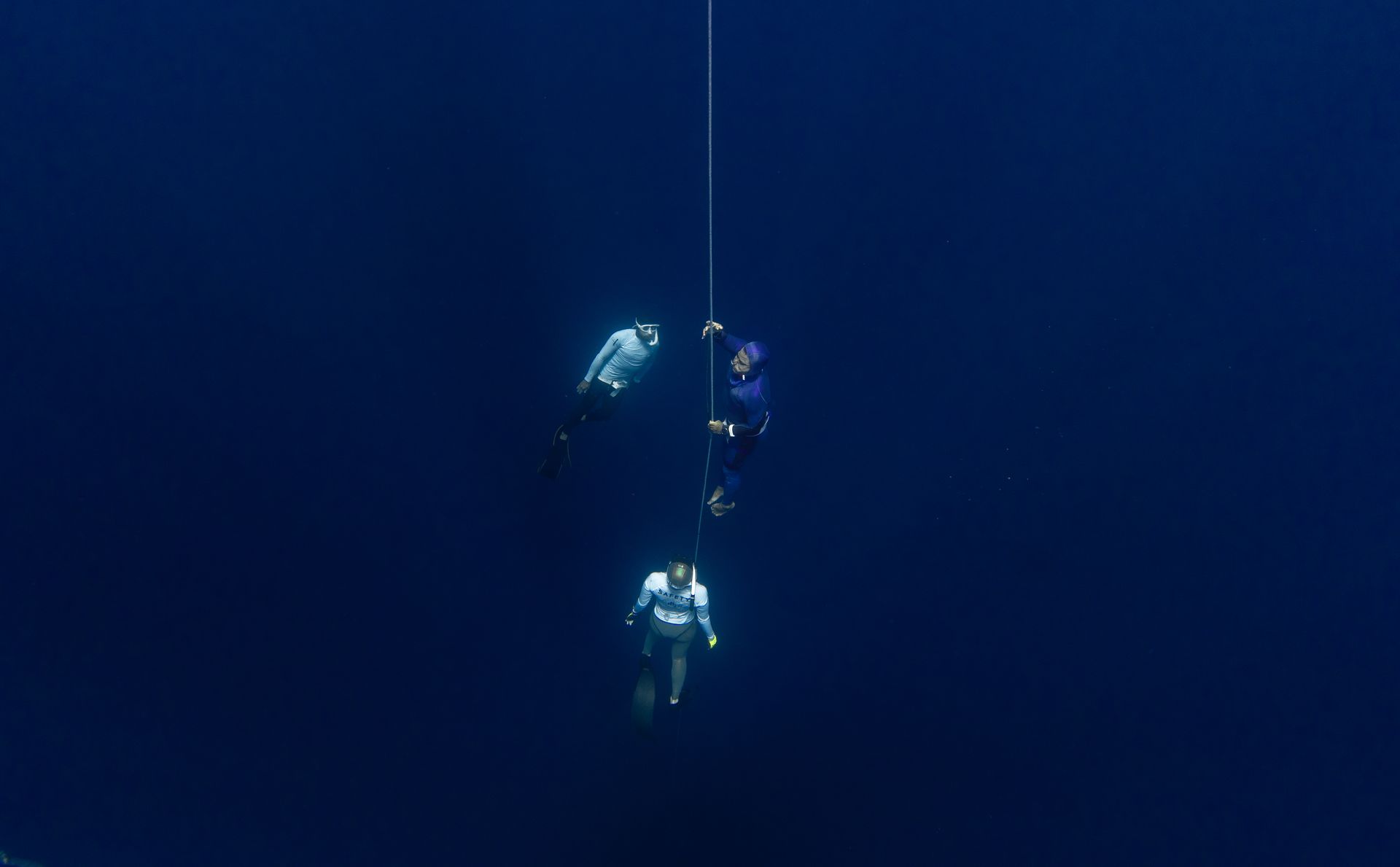
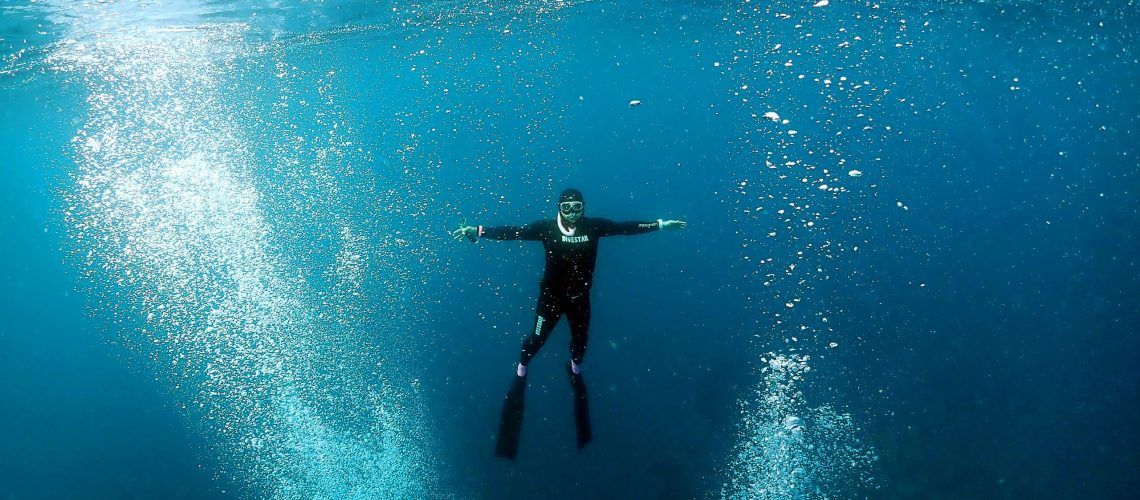
Freediving and the nervous system. Freediving's quiet secret is that it's a remarkable way to regulate the nervous system and build resilience in it. To dive well you have to learn to relax on command, and the ocean is a naturally calming environment to practice that in. There's also the mammalian dive reflex, a set of physiological changes that let you hold your breath far longer in water than on land. The main one is bradycardia, the slowing of your heart rate, which is a parasympathetic response.
When I stop fighting the breath hold and allow it, there's an extreme relaxation down there. For me, that was recovery.
And you don't need an ocean for this part. Freediving happened to be my door into it, but nervous system regulation isn't the property of one sport. Breathwork, yoga, meditation, somatic work, cold exposure, long walks. There are many ways in. What matters is that you're giving your nervous system something back, regularly, rather than only taking from it.
Looking back at my life before, my childhood, a stressful career, my lifestyle, an eight year divorce and custody battle, I was taxing my nervous system relentlessly and giving it almost nothing back except some exercise and the occasional massage. Freediving was the first thing I did that fed the other side of that equation.
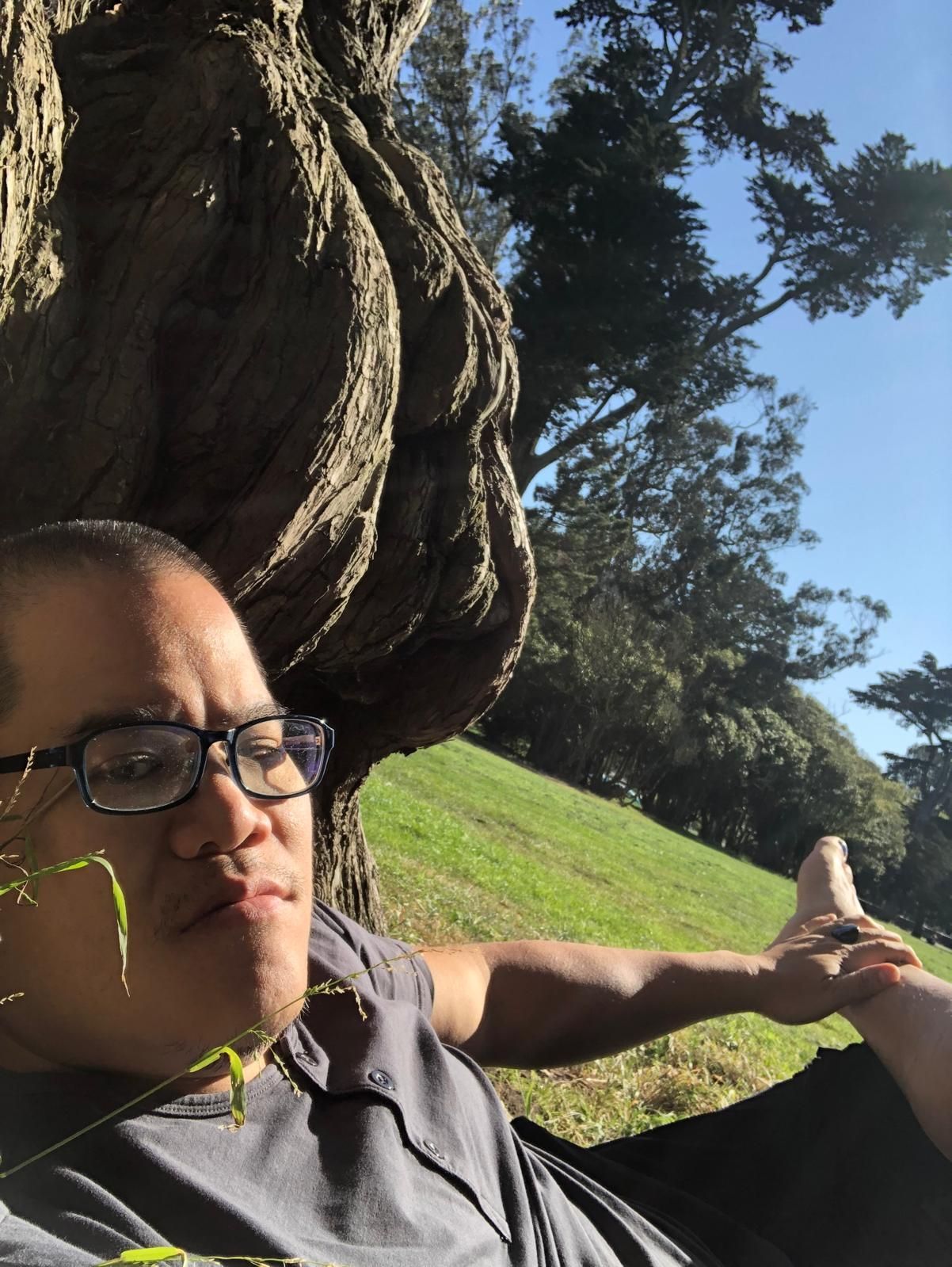
Nature. Living on a small island with the ocean as my office. There's real value in being in or near nature. For me it happened to be the water. For you it might be a park, a forest outside the city, walking barefoot in the grass, or even essential oils that put you somewhere else for a few minutes. The version doesn't have to be as dramatic as mine.
Also worth naming honestly: I stopped drinking the way I used to. I left a career that was grinding me down. I moved somewhere slower. I got outdoors nearly every day. Any one of those could be doing work that I'm crediting to freediving. I genuinely don't know how to separate them, and I'd be lying if I told you I could.
What I'm not claiming
I'm not a doctor. Freediving is not a treatment for fibromyalgia, and there's no research I know of showing that it is. Nothing here is medical advice, and please don't stop anything you're doing on the strength of a blog post.
None of it was immediate. It was little by little, building myself back up over years, and I wasn't even tracking it while it happened.
I also can't promise this transfers. Fibromyalgia doesn't behave the same way in any two people, and some people in those Facebook groups are dealing with something far more severe than what I had.
And breath holding carries real risk. If you want to try freediving, do it with a certified instructor, in a course, with a trained buddy. Never alone, and never in a pool without supervision. The relaxation is worth chasing. The shortcuts are not.
Why I'm writing this now
I kept waiting to have proof. I wanted to hand you something airtight.
I've accepted that I don't have that, and that waiting for it was costing more than it was worth. So here it is as it actually happened: not a cure, not a formula, just a road map of what one person did and where it led.
In a few weeks, this former fibromyalgia sufferer is going to stand on a competition platform in Roatan and dive for Team USA.
If you're in the worst of it right now, I'm not going to tell you it gets better, because I don't know your body. But I didn't know mine either, and I was wrong about where it was heading.
I'm putting this out hoping it gives someone a bit of hope, and maybe a starting point for finding their own way through.
A thank you to Molchanovs and Evolve Apnea for supporting Team USA at this championship.
Your humble instructor, Ray
Ray is a Molchanovs Wave 3i Freediving Instructor and Conscious Connected Breathwork Facilitator based on Xiaoliuqiu, Taiwan. He competes for Team USA Masters at the 2026 CMAS Freediving World Championship in Roatan, Honduras, August 14 to 27.
ACTIVITIES RECOMMENDED
JOIN OUR COMMUNITY
Contact Us
Recent Posts
CLICK ICON BELOW TO SHARE POST
You may also like...